Toddlers
Terrific Toddlers
Finding their feet, their words and their opinions
Between two and three, everything happens at once. We call this stage Terrific Toddlers: exploring, expressing themselves and becoming independent. Walking becomes running, then climbing, then running faster than they can stop. Words arrive in ones and twos and then in floods.
They also discover they’re an individual, somebody with their own opinions, loudly held.
Toddlers need space, things to climb and permission to try the thing that looks slightly too hard. Which is exactly how we’ve set the room up.
And they need to feel they belong. When your child knows the room, the routines and the early educators who are glad to see them, they’re ready to thrive and ready to learn.
All of it is learning
Very little of it looks like learning, which is the thing to know about two.
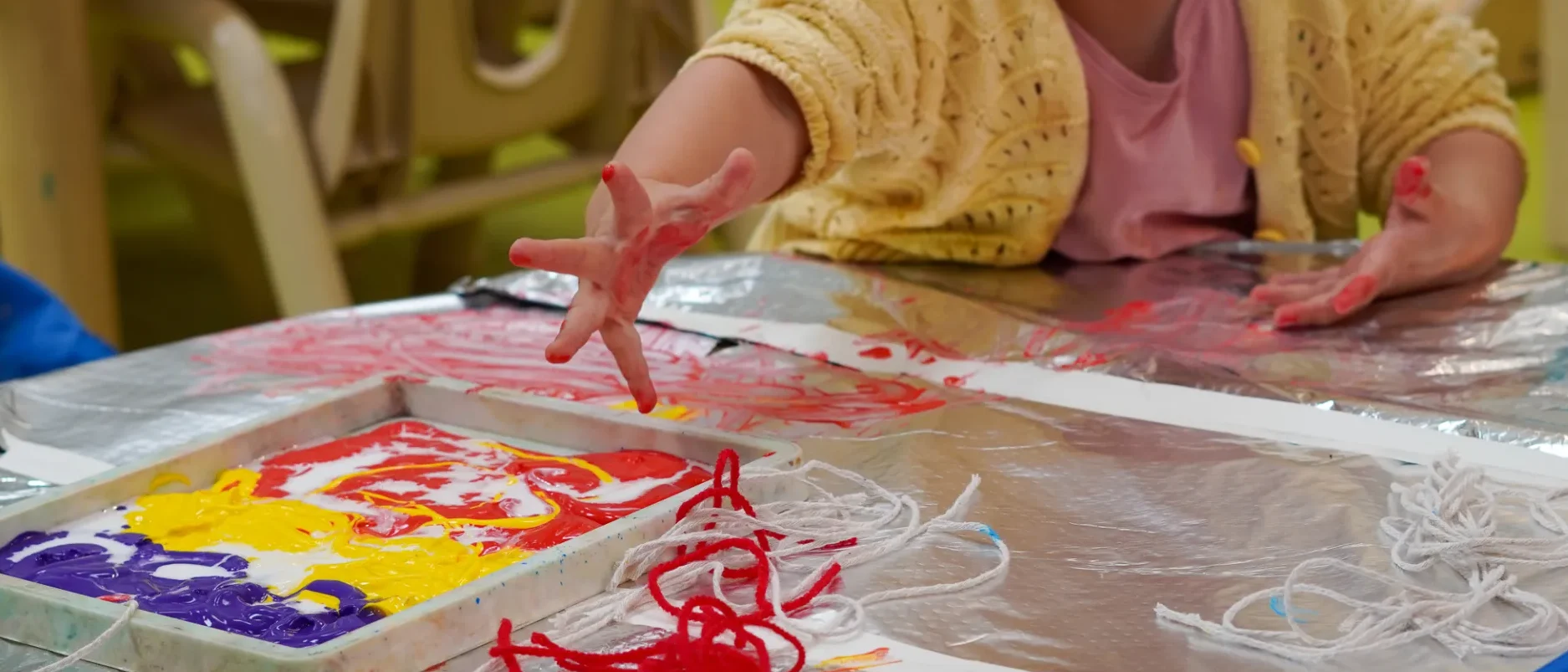
Carrying something heavy is early physics. Filling a container and emptying it again is early maths. Asking ‘why?’ and trying again when it doesn’t work is early science. The strength to hold a pencil has been building since your child was born, and it goes on building here, through climbing, carrying and hanging off things, years before anyone offers them a pencil. Zig-Zag Zumba adds music and movement, building the rhythm, balance and control that early writing grows from.
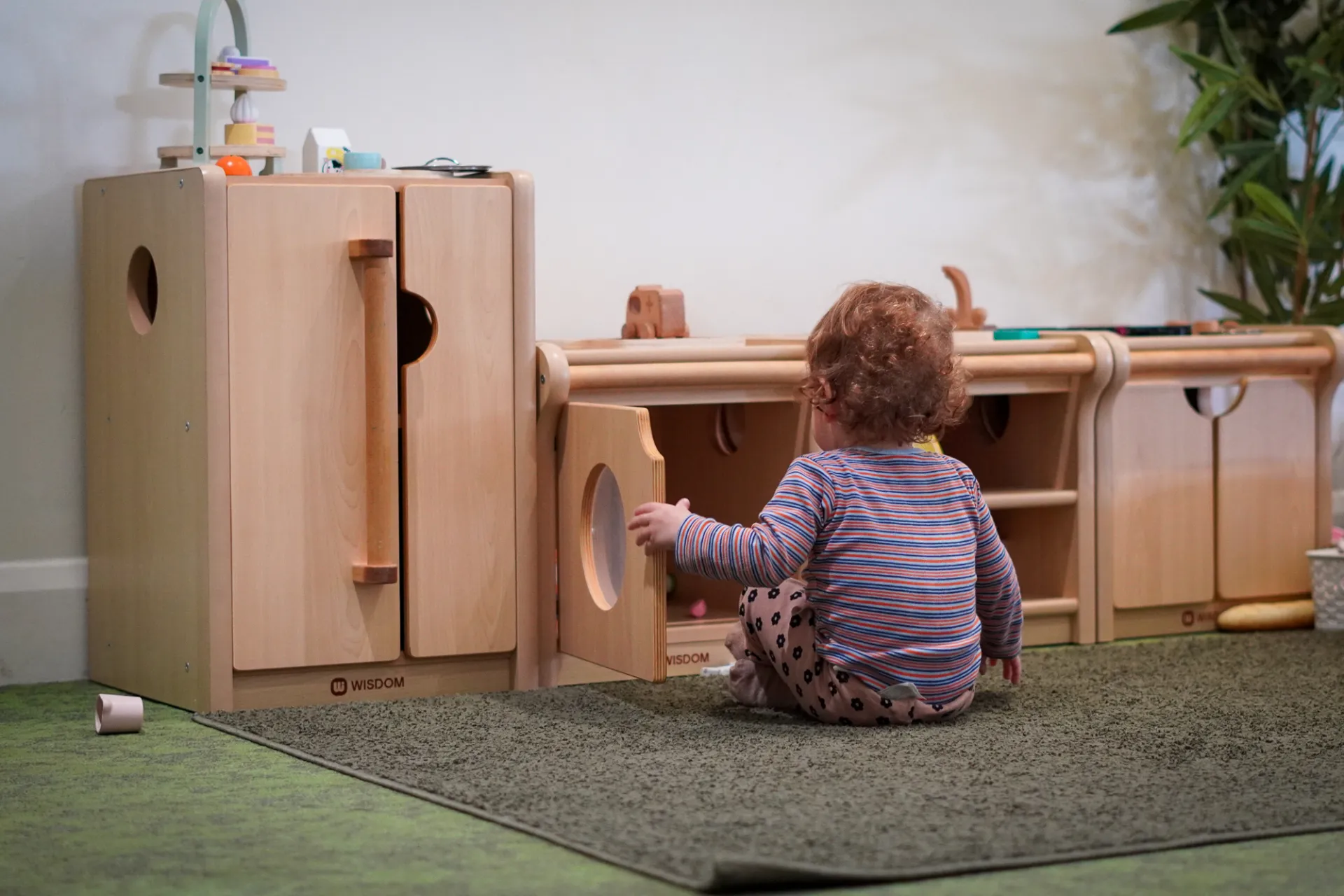
Toddler obsessions help. They’re total and short-lived: handbags, doors, putting things inside other things. We follow them, because a child concentrating is a child learning. If half of Toddlers is currently preoccupied with drainpipes, that’s what the week is built around.
And this is the year language takes off, which it does through being talked to constantly. So we narrate. We share stories, songs and rhymes every day, and our Little Wandle approach helps children listen carefully and tune into sounds, the first foundations for reading. We name things, we ask real questions and wait for the answer, we say back what your child meant when the words haven’t quite got there yet.
Two is good company
Two-year-olds are excellent value. They find things genuinely funny, they have firm views and when something matters to them you will hear about it, usually in three words, repeated.
They’re also working out how much of the world they can control, which shows up as refusals and sudden fury about a sock. All of that is the same thing as the opinions and the jokes. It’s a person arriving.
You’re your child’s first and most important educator. So tell us what’s happening at home and we’ll work with it. If they’ve stopped sleeping, or they’re biting, or mealtimes have become a battle, we’ll almost certainly have seen it and we’ll tell you what’s working for us.
And if you want to know whether something is normal, ask. Most of the time the answer is yes.
Big feelings
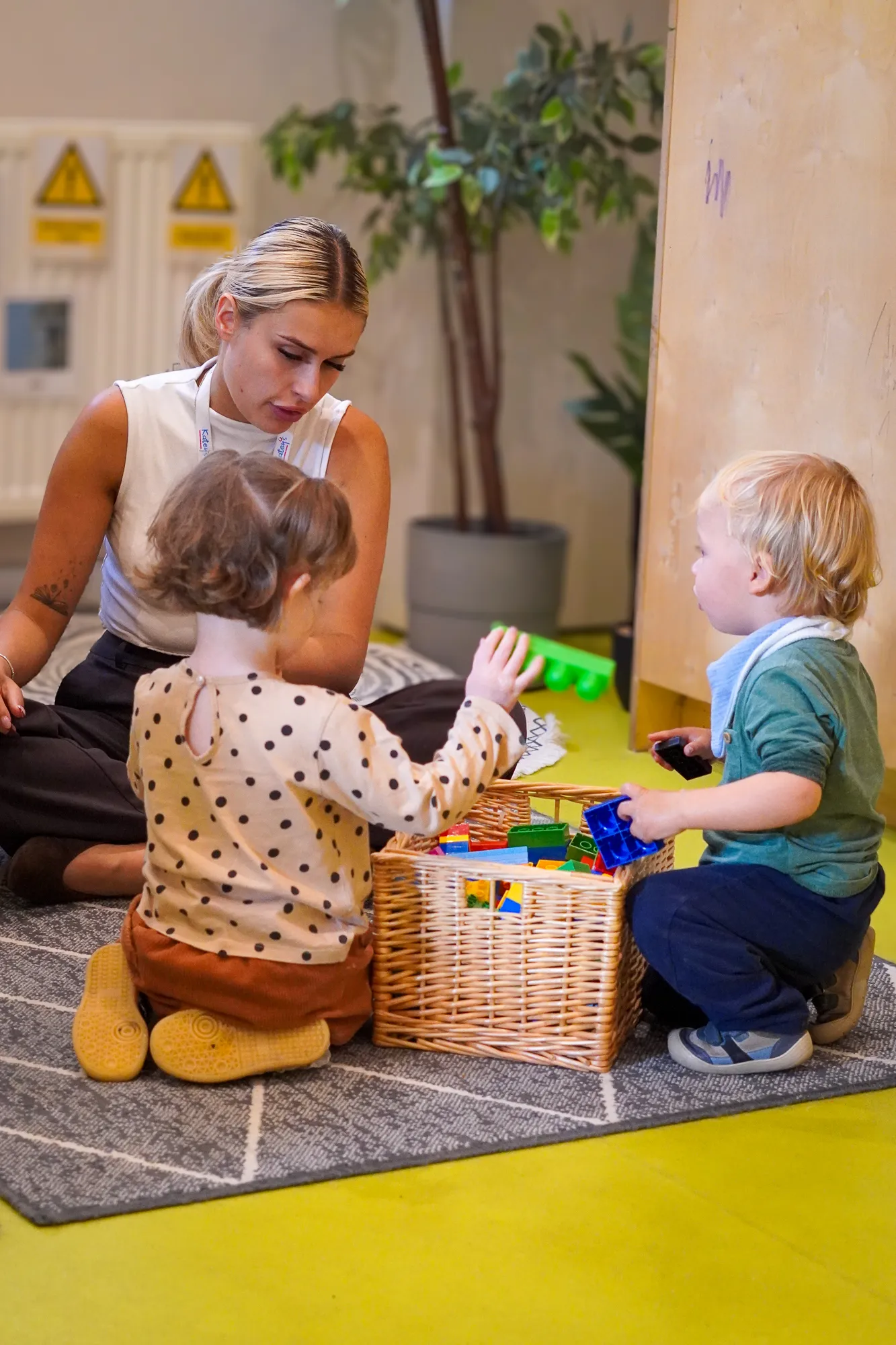
Tantrums are not misbehaviour. They’re what happens when a child feels something enormous and has no way to process it or explain it.
So we stay. We name what we think is happening, we wait it out without a fuss and we don’t expect a toddler to be reasonable about it. What we’re teaching is that big feelings pass, that someone stays with you while they do and, over time, how to calm yourself. That’s where self-regulation and resilience begin.
These are part of our own wellbeing programme, and children learn them by heart: Hums and Hugs, Ocean Pause and My Magic Breath every day. We have named ways of doing this and children learn them by heart: Hums and Hugs, Ocean Pause and My Magic Breath every day, so that when someone says “shall we do a few magic breaths?”, your child already knows how.
Eating, sleeping, nappies
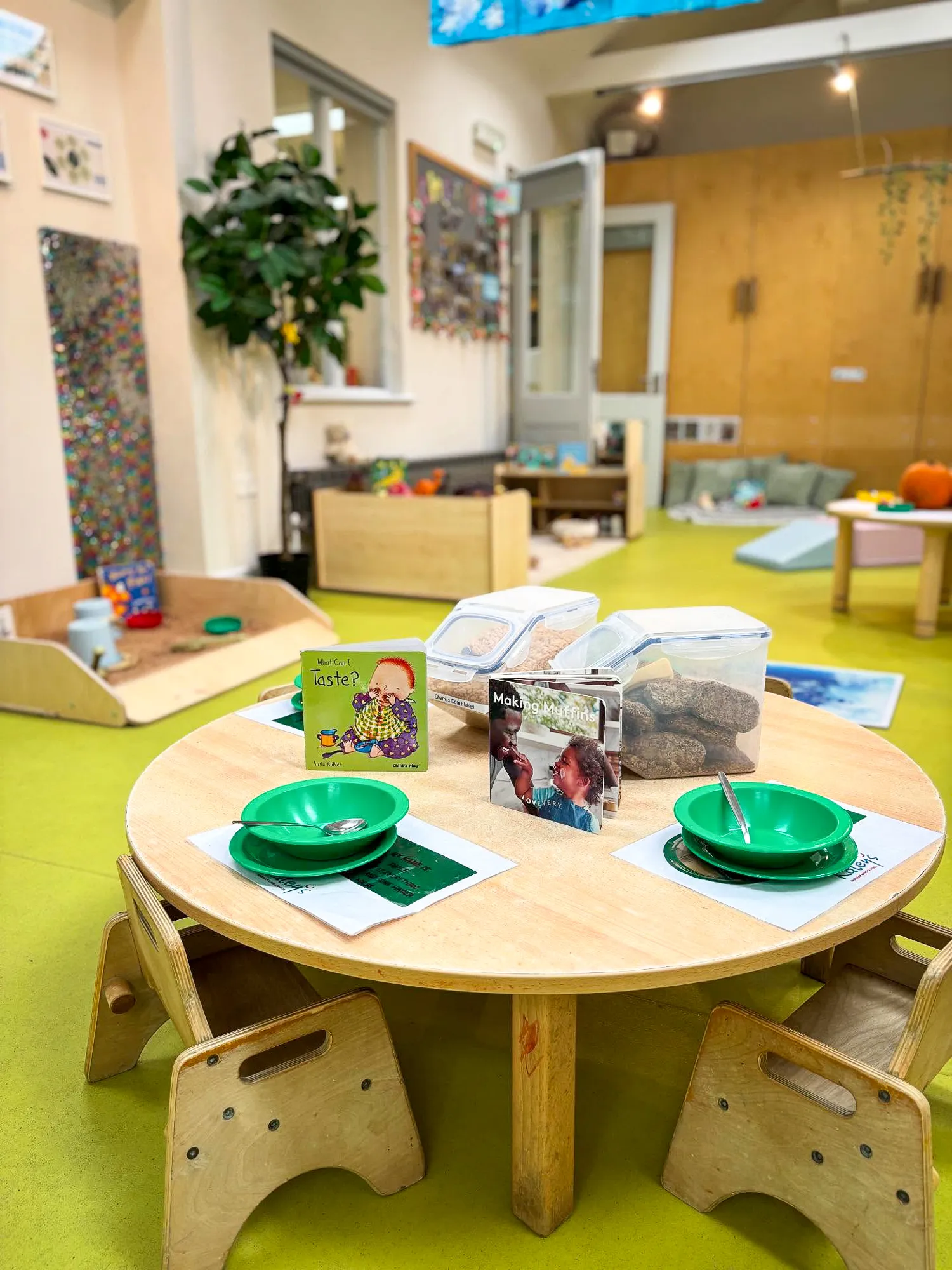
Meals are unhurried and children do as much as they can themselves: serving, pouring, spilling, mopping up. It’s where independence grows, alongside healthy eating habits.
Almost all our Toddlers children sleep, and they sleep well. Same time every day, same Restful Rituals as the rest of the nursery. There is always someone with your sleeping child.
Getting out of nappies happens when your child is ready and in step with what you’re doing at home. Nobody is rushed and nobody is made to feel it’s late.
A great day’s play, and mud to prove it
Your child should come home having climbed something, carried something too heavy, been read the same book three times and made someone laugh. And they should be greeted every morning by early educators who are visibly glad to see them. That’s what belonging feels like at two.
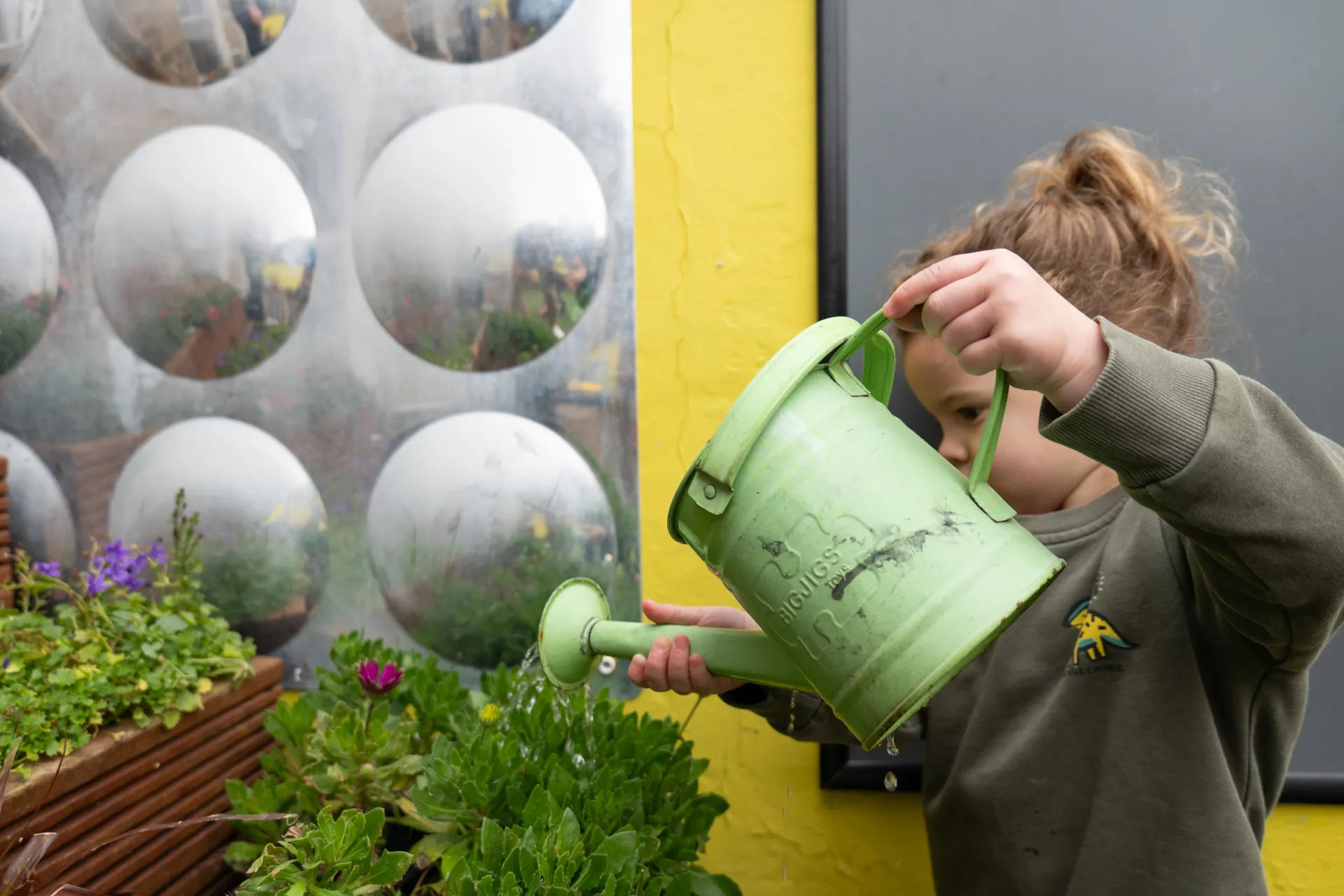
Much of it happens outdoors. Through Green Grass Academy, our toddlers head out to local parks and green spaces to run, climb, balance, hunt for bugs and watch the seasons change.
So come at a busy time, and ask to be in the room rather than passing through. Listen for talking. A good toddler room is loud.